









EPA Evaluation of Pet Spot-On Products: Analysis and Mitigation Plan
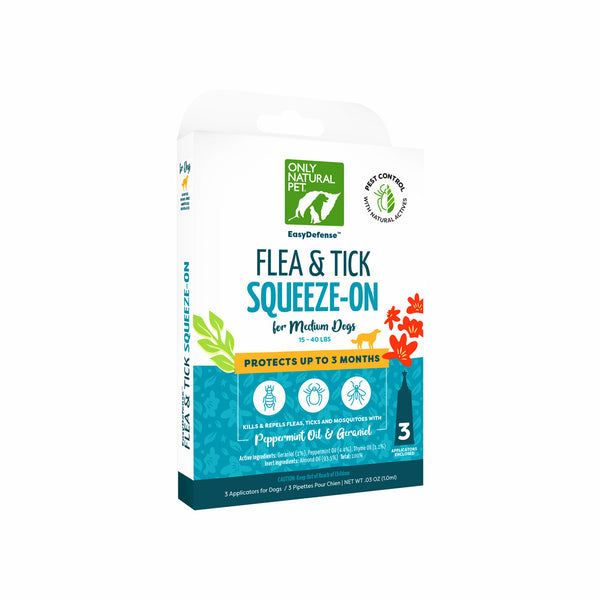
The U.S. Environmental Protection Agency is pursuing a series of actions to increase the safety of spot-on pesticide products for flea and tick control for cats and dogs. Immediately, EPA will begin reviewing labels and determining which ones need stronger and clearer labeling statements. EPA will also develop more stringent testing and evaluation requirements for both existing and new products. EPA expects these steps will help prevent adverse reactions from pet spot-on products.
EPA is coordinating with Health Canada and with the Food and Drug Administration’s Center for Veterinary Medicine on these actions. Canada identified similar concerns with incidents being reported from the use of spot-on products. The two countries have very similar products registered and some of the same registrants, and we often work together on review of data submissions. Some flea and tick products are drugs that are regulated by the FDA. We are collaborating with FDA as well because FDA regulates some similar products and it made sense for EPA to learn about FDA's processes and learn from its experience in post-market surveillance of incidents associated with animal drugs.
We will continue to reach out to the public on actions EPA is taking and provide information that will help consumers use pet pesticide products safely. By using pesticide products correctly, including determining whether or not they are needed, consumers can help protect their pets.
Results of this Evaluation of Pet Incidents
EPA is committed to sharing information with the public, so we are making available the report that our expert team of veterinarians wrote based on their findings. This report needs to be read with an understanding of the data limitations that the team faced, as described in the report.
Recommendations to reduce harmful effects include:
Further Restrictions on Products
Dosing. To address concerns about dosing, the Agency is pursuing requiring label and/or packaging changes that would result in more narrow pet weight ranges per vial size. This means there will be more categories for the weights of pets so that small, medium, and large dogs get the right amount of product. Pet owners should always be aware of the weight of their pet and purchase and use the correct product for their pet’s weight.
Improve labeling to avoid confusion between dog and cat products. Because there were problems reported with cats exposed to dog products, the Agency needs to address this problem and is pursuing the following actions:
Label changes that prohibit the use of the same brand names on cat and dog products; and
Requiring appropriate, clear label statements to address concerns with cat exposure to dog products as a result of direct application or interactions between cats and dogs in multi-pet households after the application of dog products.
Make labels more understandable. To improve label clarity, EPA will pursue changes such as larger fonts and pictograms.
Make other label changes as needed. EPA will meet with companies individually to review their products and discuss additional changes to labels or ingredients that the Agency feels are needed. These actions may include anything from adding a more complete list of potential side effects to product labels to canceling products.
Inert Ingredients. To address uncertainties about the “inert” (non-active) ingredients in these products and how they might contribute to toxicity, EPA will be pursuing the following actions:
No longer allow the interchangeable use of inert ingredients in these formulations;
Determine whether additional information is needed and, if so, require that information to evaluate certain inert ingredients; and
Disallow inerts that have suspected toxic effects when and if these are identified.
Conditions of Registration. Based on what we currently know about these pet products, EPA expects to impose conditions of registration when granting amendments to existing products or granting new registrations. As with any registration action, EPA will review each application on a case-by-case basis to determine whether these conditions are appropriate and applicable to the product in question. The expected conditions are as follows:
A two-year registration time limitation from the date the product is released for shipment
Only one, basic confidential statement of formula
The submission of quarterly incident reports and an analysis of these report
The submission of quarterly sales information by doses sold
Tighter Regulation
Standardized reporting. To be able to monitor these products better, EPA is pursuing more standardized reporting on adverse effects and sales. This will allow the Agency to more effectively review incidents, and if concerns are raised, give EPA information to act.
Pre-market clinical trials and post-market surveillance. The Agency is taking steps to bring data requirements in line with FDA’s requirements for similar products. This will allow EPA to be more consistent with how FDA regulates similar animal drugs, which includes pre-market clinical trials and a formal post-market surveillance program, and will allow the Agency to more thoroughly assess the safety of the products.
Grant conditional registrations for new products. Future pet spot-on registrations and amendments to new registrations will be restricted by appropriate conditions and time-limitations to allow EPA to continue to ensure the safety of these products after they are available to the public.
Mitigation Measures EPA Will Pursue to Prevent Future Incidents
Flea and tick products can be appropriate treatments for protecting pets and public health because fleas and ticks can transmit disease to animals and humans. For example, smaller dogs tend to be disproportionately affected by some products and the exposure of cats to some dog products is a concern. While most people use the spot-on pet pesticide products on their pets with no harm to their pets, in some cases the use of products on certain species or sizes of animals resulted in a number of reported incidents.
Based on its analysis, EPA determined that some changes need to be made in how we regulate the spot-on products, how companies report data on pet incidents, and how packages are labeled for cats, dogs, and size of animals to prevent unreasonable adverse effects and ensure the safety of these products. Based on reported incidents, EPA also concludes that many but not all pet incidents took place because the products were misused.
Over the past year, EPA conducted an intensive analysis of the pet product incidents. In spring 2009, EPA noticed an increase in pet incidents being reported involving spot-on pesticide products for pets. EPA received a large amount of information on individual reported adverse pet incidents from the companies that hold registrations for these products (called the registrants). EPA also reviewed other information that was submitted.
EPA formed an expert veterinarian team to thoroughly analyze the data. EPA also partnered with the Food and Drug Administration’s Center for Veterinary Medicine (CVM) and Canada’s Pest Management Regulatory Agency (PMRA), our counterpart agency in Canada, on the review of this analysis. The team studied incidents involving cats and dogs, looked at both active and inert ingredients, studied product labeling, and discussed data needs for the future to improve analyses and regulation.
EPA found that the products could be used safely but that some additional restrictions are needed. EPA’s team of veterinarians learned that most incidents were minor, but unfortunately there were some pet deaths and “major incidents” reported. The Agency learned that the most commonly affected organ systems were dermal, gastrointestinal, and nervous.
Dog Findings: EPA's expert veterinarian team found that small breed dogs were affected more than larger breeds for some products
the amount of product in a single dose needed to vary more for small to large dogs – that is, how much the dog weighs matters a lot in deciding how much of a product should be used.
Cat Findings: EPA’s expert veterinarian team discovered that misuse or accidental exposure of cats to dog products was an important problem; cats can be harmed by dog products; and
label warnings against use of dog products on other animals, especially cats, are not working well enough and this appears to be a global concern.
Safety Testing: The team also found that the data we now require to determine the safety of these products for pets do not accurately predict the toxicity seen in the incidents that took place.
Based on results of the analysis, EPA is taking action. By taking the actions listed below, many of the adverse effects in pets can be prevented. The Agency also believes that providing more information to the public is important so that people can make the right choices for their pets and use these and all pesticide products safely.
Safety Tips for Flea and Tick Pesticides
Children's Health Protection
EPA is dedicated to the protection of children risks associated from exposures to pesticides, particularly those used residentially. EPA assesses all pet pesticide treatments, including spot-on products, using a screening level approach. Our review of these products includes a dermal assessment for adults and dermal and oral exposure assessment for children based upon conservative assumptions of pet contact and pesticide transfer to the persons exposed. Inhalation assessment to pet pesticide treatments is considered on a case-by-case basis. EPA scientists estimate the amount of applied pesticide that can transfer from the animal to the child’s skin from hugging or otherwise contacting a treated animal. Based on these estimates, the EPA ensures that children are protected from exposure to pesticide treated pets.
People should carefully follow label directions and monitor their pets for any signs of an adverse reaction after application, particularly when using these products for the first time. Pet owners may also want to consult a veterinarian about the responsible and effective use of flea and tick products, including whether the use of these products is necessary. Owners should consult a veterinarian about the best way to protect their pets from fleas and ticks, especially before using any product on weak, aged, medicated, sick, pregnant or nursing pets, or on pets that have previously shown signs of sensitivity to pesticide products.
What to Do if Your Pet Shows Adverse Effects
EPA recommends that veterinarians use the National Pesticide Information Center’s Veterinary Pesticide Adverse Effects Reporting portal to report incidents.
Pet owners can report incidents through several routes:
Clearly identify the name of the product used, the EPA Registration Number, the type and breed of animal affected, symptoms observed in the pet, and any other details pertaining to the incident.
Tell EPA: Forward the information in our “ask a question” site:
Go to the Pesticides Frequent Questions Web page
Select "flea and tick products" on the left sidebar
The question that will give you the information about reporting an incident will be one of the first questions. Or you can search for ID number 18052 using the advanced search function near the top of the left sidebar.
Tell Your Veterinarian: Veterinarians have access to a reporting mechanism called the Veterinary Pesticide Adverse Effects Reporting portal to report incidents. This portal is not for use by the public.
Tell the National Pesticide Information Center: Call 1-800-858-7378 to report an incident.